
What a Day Camp in Tigard Gets Right About Families
What a Day Camp in Tigard Gets Right About Families
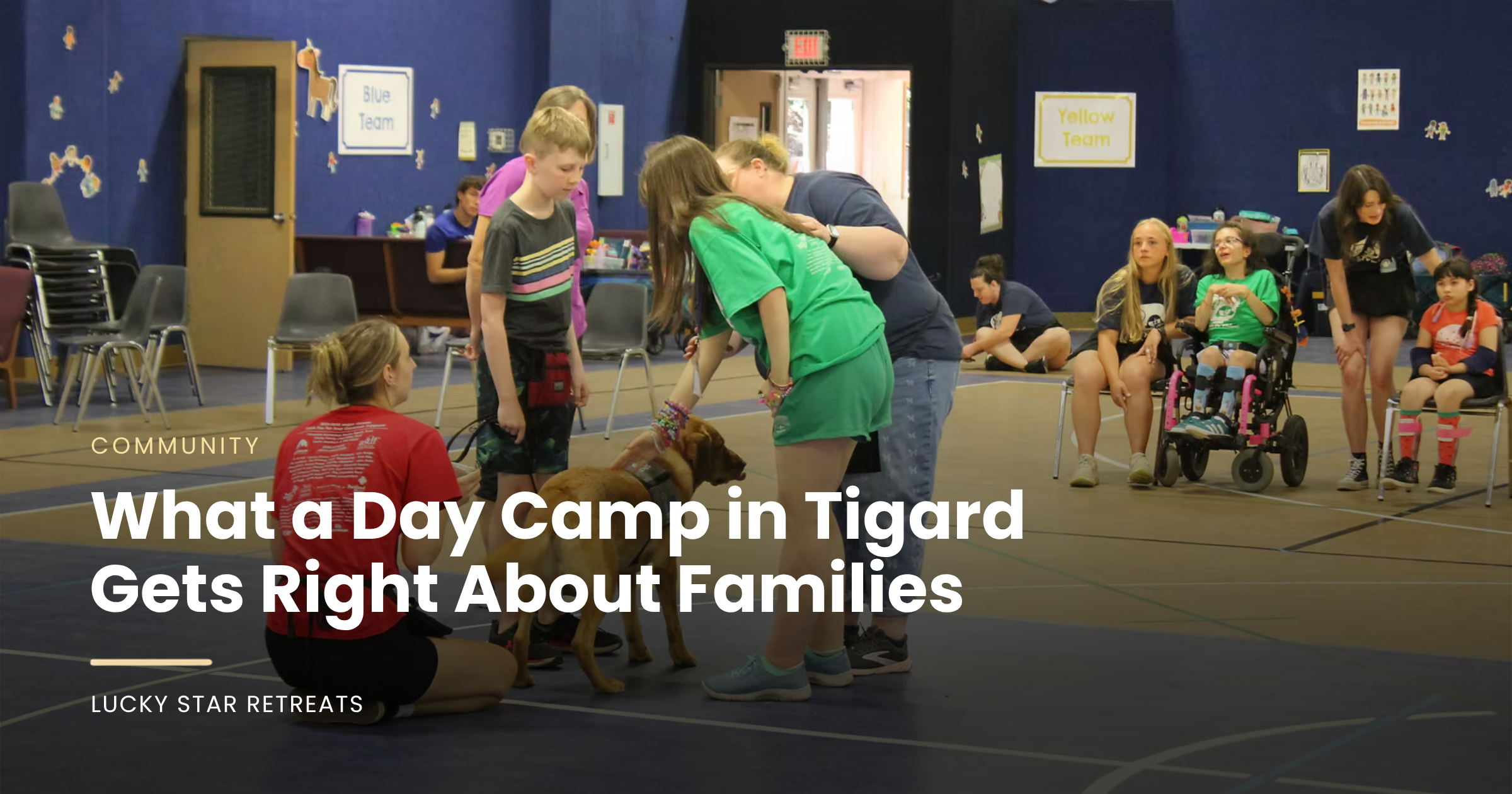
Camp Yakety Yak is a day camp in Tigard for youth ages 5 to 18 experiencing physical, intellectual and developmental disabilities, including ADHD and autism. Siblings and friends without disabilities come to the same camp, the same weeks, the same activities. There is also a workplace apprenticeship program for young adults ages 16 to 22.
We keep coming back to the sibling detail, because it quietly solves a problem most family travel never solves.
One trip, not two
Families with a child with a disability often end up running two versions of every plan. One kid goes to the specialized program, the other kid goes somewhere else. One parent handles the logistics, the other handles the rest of the household. Everyone is together in theory and split up in practice.
A camp where siblings and friends attend alongside each other removes the split. Nobody is being accommodated in a side room. The design assumes the whole group shows up.
Outdoor lodging has the same choice to make. A property can build one accessible unit at the far end of the loop, or it can plan sites where a family with different mobility needs can sleep near each other, share a fire ring, and get to the bathhouse on the same surface. We have written more about that in Caregivers and Families Need Outdoor Access Too.
Say the price, then say what help exists
Camp Yakety Yak publishes its registration fee, publishes that need based scholarships of up to 500 dollars per youth are available for one week of camp tuition, prioritizes families eligible for free and reduced school lunch, WIC and SNAP, and then goes further. It invites families who do not qualify for government assistance but for whom full tuition would still be a barrier to apply anyway. If the registration fee itself is the barrier, it says to email.
That is three layers of honesty about money in one short paragraph, and it is rare.
Cost is an access barrier the same way a step is. A family can be told a place is accessible and still not be able to go. We are planning a range of ways to stay at different price points partly for this reason, and we would rather talk about it plainly than pretend price is a separate conversation from access.
Staffing is a design decision
Camp Yakety Yak is also a teaching camp. Graduate students in speech language pathology and occupational therapy, undergraduates and trained high school volunteers work alongside licensed professional staff.
That structure does two things at once. Campers get more hands and more attention. The region gets a pipeline of professionals who have spent a summer with youth with disabilities before they ever enter practice.
Hospitality rarely thinks this way. Most properties treat access as a building question and hand it to a contractor. It is also a staffing question. Whether a guest has a good stay usually comes down to whether the person at the desk knows the answer or has to guess.
Where we are
Lucky Star Retreats is in pre-launch. We are developing an accessibility-first outdoor retreat in the Pacific Northwest, and family stays are part of the vision rather than an afterthought. What that looks like in practice will depend on the site we select and how we build it out.
If you run a family program and you have watched families cancel because the logistics did not work, we would like to hear the specifics. That is the kind of input that changes a site plan while it is still a drawing.