
Accessible Fishing and the Overnight Access Gap
Accessible Fishing and the Overnight Access Gap
Oregon has done real work on fishing access. ODFW sets aside certain waterbodies for youth and disabled anglers stocks them regularly, and has put substantial money into ADA improvements at fishing sites in recent years. Add Free Fishing Weekends and family fishing events there are more ways into fishing here than in most states.
So the water is not the bottleneck anymore. The night is.
What the gap looks like
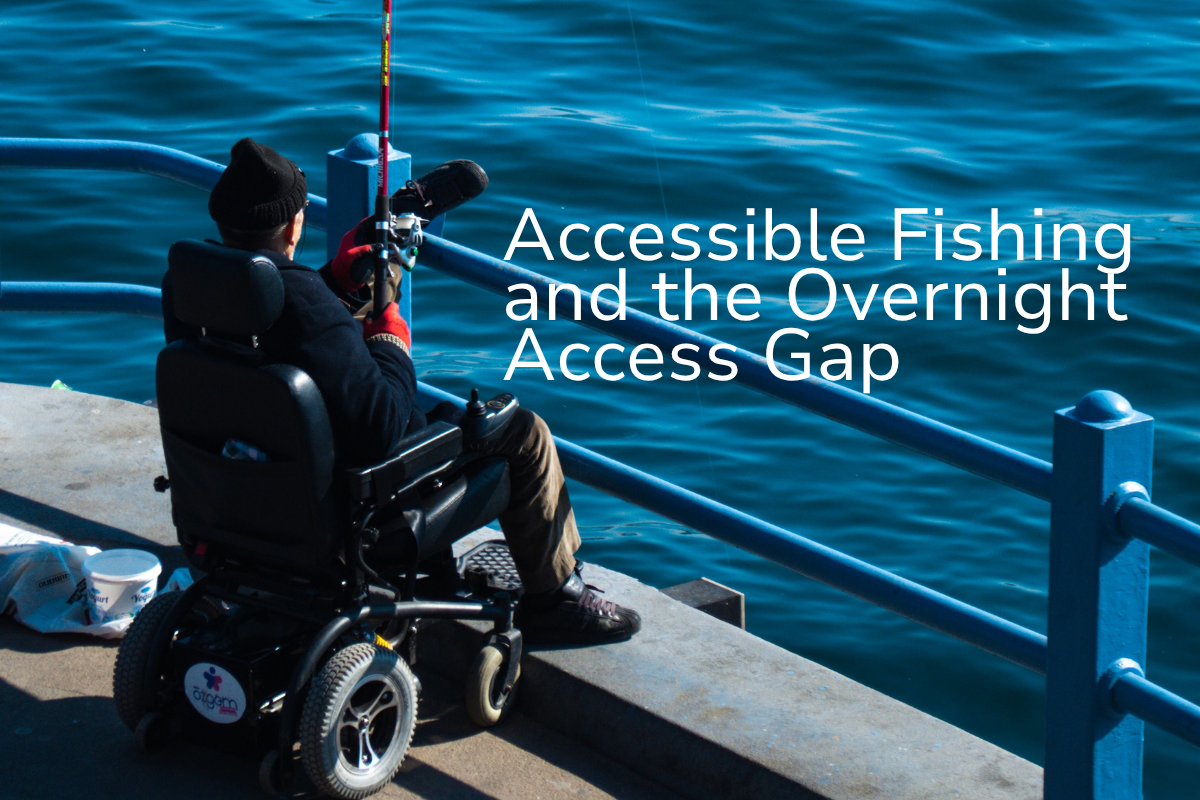
Say you find an accessible platform two hours from home. The platform is good. The parking is close. Someone thought about the railing height and the casting space.
Now find somewhere to sleep within twenty minutes of it that has a bathroom you can use, a bed you can transfer onto, and a firm path from the car to the door.
That search is where a lot of trips end. Not because nothing exists, but because you cannot confirm it exists before you commit. So people drive out and back in one day, fish for three hours instead of two mornings, and skip the trips that are further away.
Why the overnight piece changes what fishing can be
Fishing rewards early and late. The good hours are at dawn and at dusk, which are exactly the hours that a two hour drive takes away from you.
Staying nearby gives back both ends of the day. It also gives back the recovery time. A long day on the water is physical, and the trip home matters as much as the trip out.
What we are building
Lucky Star Retreats is in pre-launch, developing an accessibility-first outdoor stay in the Pacific Northwest with several lodging tiers, from tent-ready accessible sites to glamping domes. We are looking at locations near water and near existing recreation, because a place to stay is only useful if it sits close to something worth doing.
Our own planning list for anglers includes covered space for gear, somewhere to rinse and dry things, power for equipment, and paths that hold up when everything is wet. Which in Oregon is most of the year.
Point us at the places doing it right
If you know an accessible fishing site, a launch, a dock or an event in Oregon or Southwest Washington that gets it right, tell us. We are mapping what already works before we decide what to add.